Researching Altcoins: How to Spot a Winner (2026 Guide)
Thousands of cryptocurrencies exist, yet only a handful generate real utility and long‑term value. Many tokens are created solely to ride speculative waves. Understanding how to conduct proper research helps you distinguish promising projects from fleeting hype. A good project will have a clear problem it aims to solve, a competent team and robust token economics. Without proper due diligence you are gambling rather than investing.
This guide breaks down exactly what to look for in a prospect altcoin project, how to filter out the good from the bad, and how to best approach a high-risk investment.
The challenge is not finding altcoins to consider — it is developing a rigorous enough filter to eliminate the overwhelming majority before committing research time or capital. Most projects that launch never achieve meaningful adoption, and a significant proportion are outright scams or abandoned within twelve months of launch. Treating research as a process of elimination rather than a search for opportunities is a more effective starting point. Every project that fails your initial screening criteria should be discarded quickly, preserving your time for the smaller number of projects that warrant deeper investigation.
Step 1 – Study the white paper and vision
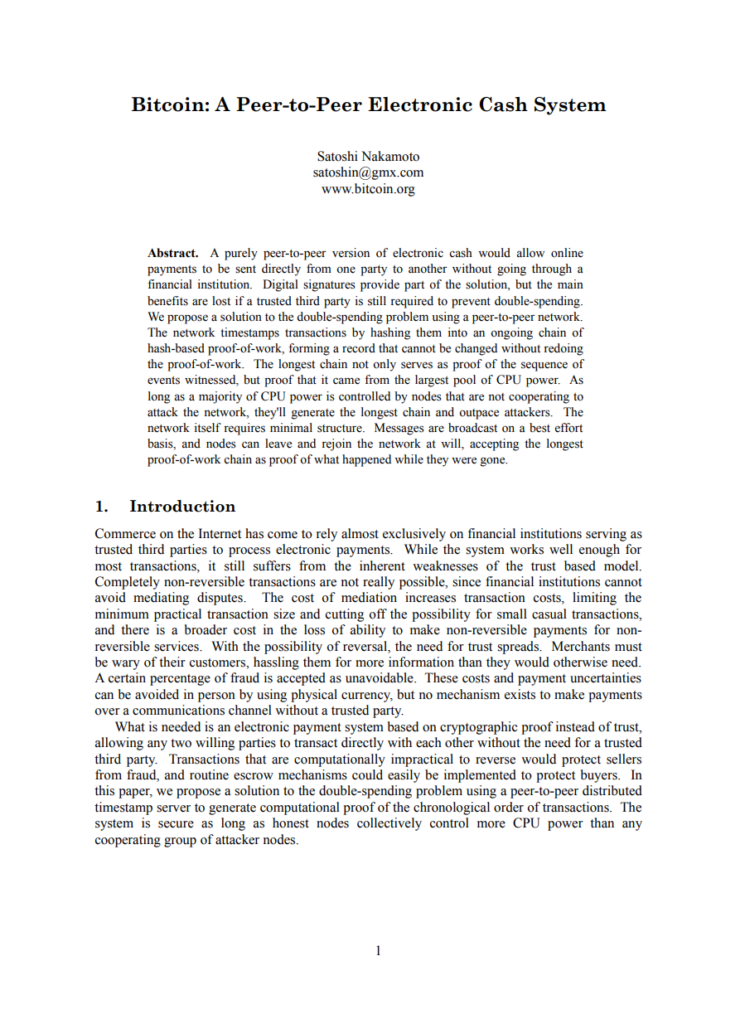
A white paper is a project’s blueprint. It should articulate the problem being addressed, how the protocol works, the roadmap and how the token fits into the ecosystem. Reviewing the whitepaper is typically the first move any serious investor will make. A credible white paper explains the technology clearly and avoids hyperbole; for example Chainlink’s detailed white paper clearly defines oracles and network economics, whereas joke tokens like PEPE lacked meaningful technical detail. If a white paper is vague, plagiarised or promises guaranteed returns, treat that as a major red flag.
The quality of a white paper also reveals something about the team’s seriousness. A well-structured document with specific technical detail, honest acknowledgment of limitations, and clear token economic design suggests a team that has thought carefully about what they are building. Vague language, inflated market size projections, and promises of guaranteed returns are warning signs. A white paper that cannot clearly explain the problem in plain language — or that relies entirely on buzzwords without substance — should be treated as a red flag regardless of how impressive the project’s marketing appears.
Key points to consider when reading a white paper:
- Problem and solution: What real‑world issue does the project solve? Does it offer a unique improvement over existing solutions?
- Technical architecture: Are there clear explanations of consensus mechanisms, token creation and security features?
- Roadmap and milestones: Are deliverables realistic? Does the team provide timelines and progress updates?
- Token function: How is the token used (governance, staking, fee payment)? Does the protocol need a token at all?
- Clarity over hype: Avoid projects whose documents rely on buzzwords without technical substance.
Step 2 – Evaluate the team and advisors
Behind every token is a group of people. Legitimate projects proudly display team members’ identities, credentials and past achievements. Legitimate projects should showcase the experience of their development team, whereas anonymous developers usually indicate scam projects. For example: the Squid Game token collapse involved an anonymous team who rug‑pulled investors. When researching the team:
- Background and experience: Look for evidence of relevant expertise in software engineering, cryptography or the industry the project targets.
- Track record: Have team members delivered on past projects? Check their LinkedIn profiles, GitHub contributions and prior start‑ups.
- Advisors and investors: Presence of respected advisors or institutional investors can provide additional credibility, but always verify their involvement.
- Transparency: Lack of biographies, anonymous founders or unverifiable credentials are warning signs.
Strong teams engage with their communities through social media, developer calls and public appearances. Avoid projects where the core team never interacts or responds to questions.
Step 3 – Assess community and ecosystem activity
A vibrant, knowledgeable community signals genuine interest and adoption. A strong, & engaged community discussing technical progress typically indicates project legitimacy, whilst hype‑driven communities without substance are red flags. Look beyond follower counts and examine:
- Developer activity: Check GitHub or other repositories for regular commits, issues and pull requests.
- Discussion quality: Are community forums filled with meaningful discussions about the technology and roadmap, or are they dominated by price talk and memes?
- Ecosystem growth: Does the protocol have third‑party apps, partnerships or integrations? Are there hackathons or grants to encourage building?
- Social sentiment: Large followings can be artificially inflated; focus on engagement quality and whether there is real usage.
Projects with quiet but steady development sometimes offer better long‑term prospects than loud communities without real builders.
Step 4 – Analyse tokenomics
Tokenomics describes how tokens are created, distributed and used within a network. Thorough research includes:
- Supply: Understand the circulating supply versus the maximum supply. Scarcity often supports price, while unlimited or rapidly inflating supply dilutes holders’ stake. Bitcoin’s fixed 21 million cap is one reason for its resilience.
- Distribution: How are tokens allocated? Fair launches (e.g. mining or staking rewards) reduce concentration, whereas large allocations to insiders may lead to dumping. Knowing if the creator holds 50% of total supply in an unlocked wallet can save you from being rug pulled at any moment.
- Utility and demand: Tokens should have clear use cases, such as paying network fees, securing the network through staking or granting governance rights. Tokens without real utility rely solely on speculative demand.
- Incentives: Examine emission schedules, vesting periods, lock‑up periods and reward mechanisms. Fast unlocks can flood supply; well‑structured emissions encourage long‑term participation.
- Fully diluted valuation (FDV): Compare the market capitalisation based on circulating supply with the value if all tokens were circulating. A low market cap with a very high FDV suggests significant future dilution.
Projects should provide transparent charts for token distribution and vesting. Opaque or constantly changing tokenomics is a red flag.
Step 5 – Evaluate the technology and use case
Technology is the backbone of any altcoin. When reviewing the RWI of a project, investors should consider the following:
- Innovation: Does the project introduce meaningful technological improvements (e.g. new consensus mechanisms, layer 2 scaling or cross‑chain communication) or is it a fork with minor tweaks?
- Security and scalability: How does the network handle throughput, latency and security trade‑offs? Does it rely on established standards or untested code?
- Use case viability: Does the project solve a real problem better than existing options? For example, decentralised storage networks provide a clear value proposition.
- Open source: Open‑source code invites peer review and security audits. Projects that keep code closed or delay releases warrant caution.
Step 6 – Examine on‑chain and market data
Beyond fundamentals, quantitative metrics help gauge adoption and trading health:
- Market capitalisation: A lower market cap may indicate growth potential but also higher risk.
- Trading volume and liquidity: High daily volume and deep order books indicate easier entry and exit; low liquidity increases slippage and volatility.
- Network usage: Monitor active addresses, transaction counts and fees paid. Growing usage indicates real demand.
- Developer activity: Frequent code commits and updates show progress.
- Economic ratios: Compare market cap to value locked (for DeFi projects) or revenue generated.
Tracking these metrics over time reveals whether momentum is organic or driven by speculative spikes.
Specific metrics worth examining include daily active addresses (a proxy for genuine user activity), total value locked for DeFi protocols (measures capital confidence in the protocol), developer commit activity on public repositories (indicates ongoing technical work), and token distribution data (reveals whether a small number of wallets hold a disproportionate share). For trading-specific analysis, look at whether volume is consistent across multiple exchanges or concentrated on a single platform — the latter can indicate wash trading or artificial inflation. Metrics should be compared against similar projects at equivalent stages of development, not against established blue-chip assets with years of growth behind them.
Step 7 – Check security, audits and compliance
Security is paramount. Projects should undergo external code audits and maintain bug bounty programs. It’s universally recognised that legitimate projects should have security audits regularly completed & published for public viewing, with refusal to provide such transparency seen as another red flag. Consider:
- Audit reports: Review who conducted audits (reputable firms like Trail of Bits or Quantstamp) and whether issues were resolved.
- Bug bounty programs: Ongoing programs incentivise researchers to disclose vulnerabilities.
- Insurance and reserves: Some protocols hold insurance funds or use multi‑sig treasuries to cover exploits.
- Regulatory standing: Check whether the project complies with local regulations (e.g. securities laws) and whether the company is registered with financial authorities.
Lack of audits, centralised control of keys or disregard for regulations increases risk.
Beyond the audit itself, look at how the team responded to findings. A project that received a security audit, had critical vulnerabilities identified, and resolved them publicly before launch demonstrates responsible development practice. A project that received an audit but either ignored findings or has not published the report publicly is a concern. Also check whether the project has a bug bounty programme — a standing offer of rewards to security researchers who identify vulnerabilities. Projects that invest in ongoing security infrastructure, not just a one-time audit, are meaningfully more serious about protecting user funds.
Step 8 – Consider market cycles and sentiment
Crypto markets are cyclical and highly sensitive to sentiment. Prices are influenced by macroeconomic events, regulatory developments and market psychology. During bull markets capital flows from Bitcoin to large‑cap altcoins and then to smaller cap tokens; in downturns liquidity dries up quickly. To spot a winner:
- Don’t chase hype: Buying after massive rallies often leads to losses when momentum fades.
- Use sentiment indices: Tools like Fear & Greed indices and funding rates provide clues about overheated or fearful markets.
- Align entry with your thesis: Accumulate positions gradually during periods of pessimism and avoid making emotional decisions based on FOMO.
- Combine technical and fundamental analysis: Chart patterns, support/resistance levels and volume analysis help time entries and exits.
Remember that even strong fundamentals can’t overcome a severe bear market; position sizing and risk management are crucial.
Understanding where a project sits in its development cycle relative to market conditions is a practical research skill. A technically sound project launching at the peak of a speculative bull market may see early price appreciation followed by severe decline as sentiment shifts, regardless of its fundamental merits. Conversely, a project that launches or gains traction during a bear market often builds a more stable early community of genuine users rather than short-term speculators. Evaluating on-chain activity during periods of low market sentiment provides a cleaner signal of real utility — projects that retain consistent usage when prices are falling are demonstrating something more durable than hype-driven adoption.
Common red flags
Spotting winners often involves avoiding losers. These are a few variables to be wary of when prospecting an Altcoin:
- Anonymous or untraceable teams.
- Promises of guaranteed returns or unrealistic price targets.
- Poorly written or plagiarised white papers.
- No working product or endless delays in delivering milestones.
- Extreme token concentration in a few wallets or large insider unlocks without vesting.
- Lack of independent code audits or refusal to share audit results.
- Overly aggressive marketing campaigns with little technical substance.
If something seems too good to be true, it probably is.
Additional red flags worth noting: anonymous or pseudonymous teams with no verifiable track record, particularly for projects handling significant capital; vesting schedules that allow insiders to unlock large token allocations early while retail holders face long lock-ups; excessive marketing spend or influencer partnerships before a working product exists; and tokenomics where a disproportionate share of supply is allocated to the team and early investors with no transparent justification. A project that fails basic transparency tests at the research stage rarely improves once capital is raised.
Your step‑by‑step due diligence checklist
Here is a concise checklist you can follow when researching an altcoin, covering everything we’ve just detailed above:
- Read the white paper: Identify the problem, solution, token purpose and roadmap.
- Research the team: Verify identities, experience and prior achievements; look for reputable advisors and investors.
- Join the community: Observe discussions on Discord, Telegram, Reddit or forums; gauge how active and constructive the conversations are.
- Analyse tokenomics: Understand supply, distribution, inflation schedule and token utility.
- Review technology: Explore the codebase, consensus mechanism, scalability and security features.
- Check on‑chain metrics: Compare market cap, trading volume, liquidity and network usage; assess developer activity.
- Examine security and compliance: Look for audit reports, bug bounties and regulatory filings.
- Assess market environment: Consider broader market conditions, sentiment indices and your risk tolerance.
- Identify red flags: Anonymous teams, poor documentation, no product, high insider control and exaggerated marketing.
- Make a plan: Decide your entry strategy, position size, time horizon and exit criteria before investing.
Following this structured process doesn’t guarantee profits, but it can dramatically improve your odds of identifying sustainable projects and avoiding scams.
Final Thoughts
Researching altcoins is about more than finding the next “moonshot.” It requires patience, critical thinking and scepticism. Most altcoins will not become long‑term winners. However, by studying fundamentals, tokenomics, community engagement and on‑chain metrics – and by spotting red flags early – you can stack the odds in your favour. Stay humble, diversify and remember that preservation of capital is just as important as chasing upside.
Building a consistent research habit is more valuable than any single research framework. Experienced investors maintain a watch list of projects they have already evaluated, revisiting them periodically as new information emerges rather than making rushed decisions when prices are moving. When a project you have researched reaches a price or event trigger that meets your criteria, acting from prior preparation is far more reliable than conducting research under the pressure of a moving market. Discipline in the research process is what separates systematic investors from those who are simply reacting to price.
Frequently Asked Questions
What does researching altcoins mean?
Researching altcoins means systematically evaluating a cryptocurrency project's technology, team, tokenomics, use case, community, and competitive position before committing capital. It goes beyond reading price charts or social media posts.
What should I look for in an altcoin's whitepaper?
Look for a clear problem statement, a credible solution backed by working technology or a realistic roadmap, tokenomics that align incentives, and a named verifiable team. Vague promises, plagiarised content, or overly complex language designed to obscure rather than explain are red flags.
How do I evaluate an altcoin's development team?
Search team members on LinkedIn and GitHub, verify their credentials, check past projects, and look for a track record of delivery. Anonymous founders are not automatically a red flag but raise the bar for other due diligence. Teams with prior failed or abandoned projects warrant extra scrutiny.
What is tokenomics and why does it matter when researching altcoins?
Tokenomics covers the total supply, distribution, vesting schedules, inflation rate, and how tokens are used within the ecosystem. Poor tokenomics such as large insider allocations, no vesting, or unlimited inflation can destroy long-term value even if the underlying project is technically sound.
How do I assess an altcoin's community?
Check Discord, Telegram, Reddit, and X activity. Healthy communities discuss technology, use cases, and development progress. Communities that focus almost entirely on price, moonshots, and attacking critics are a warning sign that the project relies more on hype than substance.
What are the biggest red flags when researching altcoins?
Key red flags include anonymous teams with no track record, no working product or audit, unrealistic return promises, heavily concentrated token ownership, heavy reliance on paid influencer promotion, and pressure to buy quickly before a deadline.
What tools can I use to research altcoins?
CoinGecko and CoinMarketCap provide market data. DeFiLlama shows total value locked in DeFi protocols. Token Unlocks tracks upcoming vesting releases. Blockchain explorers show on-chain activity and wallet concentration. GitHub reveals actual development activity.
Should I only invest in altcoins I have researched myself?
Yes. Relying entirely on others' research without understanding it yourself is a risk management failure. You cannot make informed decisions about position sizing, risk, or exit points if you do not understand what you own. Always verify key claims independently before investing.